
Capital Project Warranty Tracking and Defect Follow-Up
Connect installed assets, warranty documents, maintenance conditions, defect notices and repair acceptance after a property project closes.
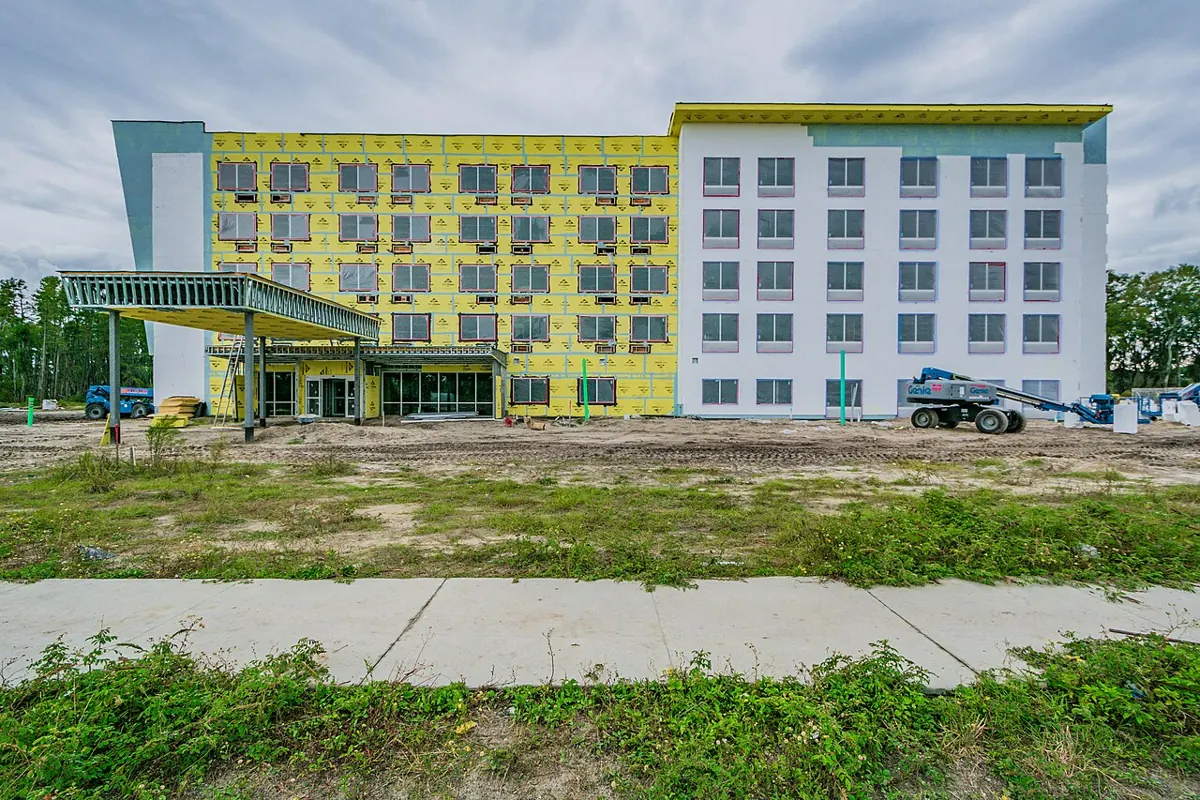

Start with the installed asset and actual warranty
Create a register by component, location and supplier. Link the executed contract, manufacturer document, installer warranty, commissioning or acceptance record and equipment identifier. Distinguish different warrantors and coverage types instead of recording one project-wide date.
Read the actual start event, duration, exclusions, notice method and maintenance conditions with the appropriate contract or technical reviewer. Delivery, installation, commissioning, acceptance and registration can be different events. An assumed anniversary date can leave the property monitoring the wrong window.
Preserve the conditions needed for a claim
Identify registration evidence, maintenance obligations, operating limits and records requested by the warranty terms. Assign those activities to the maintenance plan. A warranty register is useful only if the property can produce the supporting evidence when a defect appears.
Keep the notice route and approved recipient current. Staff turnover at a supplier should trigger contact verification. Record relevant notice dates and evidence of transmission; do not infer that a conversation at the site constitutes the required contractual notice.
Document the defect without deciding coverage prematurely
Record when the issue was first observed, component, location, symptoms, photographs, operating conditions and immediate protective action directed by the responsible professional. Preserve original files and the chronology. Describe the observed condition rather than labeling every failure a covered defect.
Track the contractor's response, requested inspection, proposed repair, exclusions asserted and outstanding technical questions. Keep the property response and specialist conclusion linked. Operational urgency and a warranty dispute may need separate decisions, especially where continued service or protective work is required.
Accept the repair and update the maintenance record
Define who can accept the remedial work and what test, inspection or documentation is required. Record the work performed, replaced parts, dates, remaining conditions and any written change to the warranty. A closed vendor ticket is not necessarily proof that the original defect was resolved.
Update asset history and maintenance instructions after replacement or repair. Maintain a short exception report for unresolved defects, approaching review dates and missing records. Avoid closing an entire project warranty solely because the contractor's final invoice has been processed.
Worked example: an intermittent door operator fault
Hypothetical example: a newly installed door operator fails intermittently. The property logs the location, fault time, symptoms and operating conditions, then follows the agreed safety and service escalation. The notice record links the installed unit, acceptance date, warranty terms and maintenance history.
After repair, the designated reviewer checks the required operating evidence and documents remaining issues. The example does not determine coverage or instruct staff to service equipment beyond their competence.
Capital Project Warranty Tracking and Defect Follow-Up checklist
A reusable control-definition worksheet. Add property-specific owners, dates, evidence links and status before using it as an action record.
Download the CSV checklist to assign an owner, add dates, and record the evidence for your property.
These rows define suggested controls, not completed property findings. Add a row ID, owner, due date, status and evidence link to your working copy. See the working-copy instructions and reuse terms.
12 checks shown
No check matches those filters. Try a different term or area.
| Review area | Check | Evidence to request | Decision question |
|---|---|---|---|
| Register | Identify installed components | Asset and location schedule | Which component has which warranty? |
| Register | Separate manufacturer and installer terms | Warranty documents | Who provides each coverage? |
| Terms | Confirm actual start event | Acceptance or registration evidence | What event starts the period? |
| Terms | Confirm notice requirements | Reviewed warranty terms | How and to whom must notice be sent? |
| Conditions | Link maintenance obligations | Maintenance plan | What records must the property preserve? |
| Conditions | Verify registration status | Registration acknowledgement | Is required registration documented? |
| Defect | Record observed symptoms and dates | Defect log and original photographs | What was observed and when? |
| Defect | Preserve protective instructions | Professional direction | What immediate action was authorized? |
| Notice | Retain notice and delivery evidence | Notice record | Can transmission be demonstrated? |
| Notice | Track response and dispute status | Supplier correspondence | What remains unresolved? |
| Acceptance | Verify remedial work | Inspection or test record | Did the repair address the issue? |
| Acceptance | Update asset history and terms | Closeout and revised documents | What changed after repair? |
Frequently asked questions
When does a warranty start?
Use the event stated in the actual warranty or contract and retain proof of that event. Do not substitute the invoice date without confirming the terms.
Can repair work affect a warranty?
The terms and circumstances matter. Have the appropriate reviewer confirm authorized repair arrangements and preserve instructions before making assumptions about continuing coverage.
What belongs in a board exception report?
Show the component, observed issue, notice status, responsible supplier, next action and decision required. Link sensitive or detailed technical records through the controlled file.