
Condition and objective
Inspection or assessment information, project purpose, urgency, asset impact, risks of delay, and the standard the work must meet.
Capital projects become risky when scope, authority, funding, schedule, and proof of completion fall out of alignment. Good oversight makes those connections visible from the first question to closeout.
The strongest early question is not “Which proposal is cheapest?” It is “What condition, risk, or outcome must the project address—and what evidence tells us that the proposed scope is sufficient?”
Boards and owners should distinguish professional determinations from governance decisions. Appropriate specialists provide the technical or regulated expertise; leadership organizes options, authority, funding, stakeholder communication, and accountable implementation.
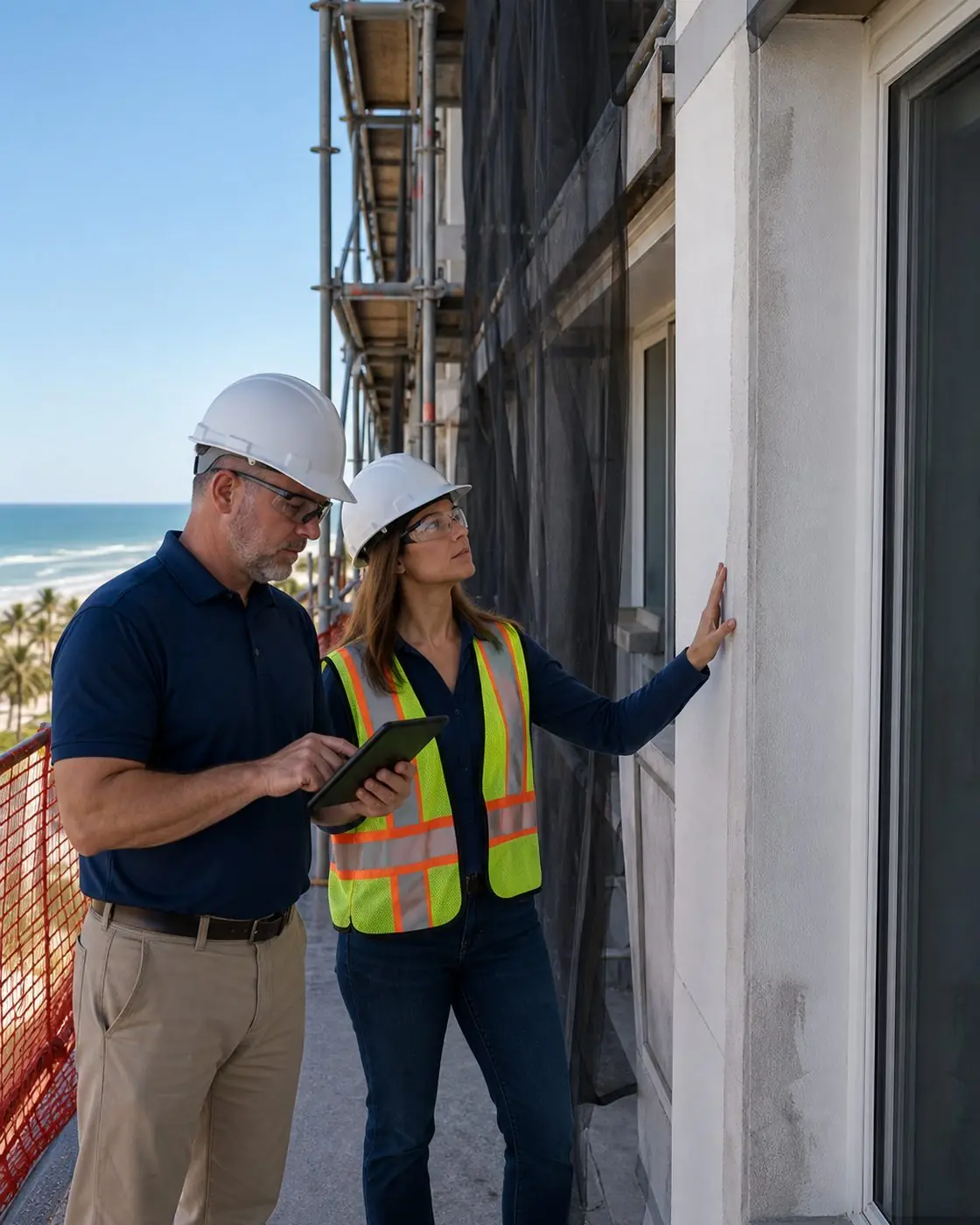
Inspection or assessment information, project purpose, urgency, asset impact, risks of delay, and the standard the work must meet.
Defined scope, assumptions, exclusions, options considered, professional recommendations, expected disruption, and dependencies.
Proposals, comparison matrix, qualifications, insurance, references, clarification questions, selection rationale, and contract review process.
Funding source, estimate, contingency, approval limits, cash-flow timing, change-order authority, and reporting expectations.
Schedule, milestones, site access, communication plan, quality verification, payment conditions, risk log, and decision register.
Completion verification, warranties, permits, final documents, unresolved items, final cost, lessons learned, and future maintenance requirements.
Confirm that each proposal uses the same assumptions, quantities, exclusions, access constraints, materials or performance standard, schedule, supervision, warranty, and change-order approach. A lower price may reflect a different scope rather than a better value.
It should show completed milestones, next milestones, approved and pending changes, forecast cost, schedule changes, quality or safety issues, stakeholder impact, decisions needed, accountable owner, and evidence supporting the report.
Not simply when a vendor says work is finished. Closeout should follow the agreed acceptance process and include applicable verification, punch-list resolution, records, warranties, permits, final costs, and future maintenance information.
Use this evidence set from project definition through closeout. It separates board approval, field verification, financial control, and operational handover.
Download the CSV checklist to assign an owner, add dates, and record the evidence for your property.
18 checks shown
No check matches those filters. Try a different term or area.
| Review area | Check | Evidence to request | Decision question |
|---|---|---|---|
| Definition | Problem statement | Observed condition affected assets and consequence of inaction | Is the project solving a defined problem? |
| Definition | Scope boundaries | Included work exclusions assumptions and interfaces | What is outside the approved scope? |
| Definition | Baseline condition | Photographs assessments and specialist recommendations | What condition will be compared after work? |
| Definition | Owner requirements | Performance durability access and resident constraints | How will success be judged? |
| Procurement | Comparable proposals | Same quantities specifications schedule and exclusions | Are bids truly comparable? |
| Procurement | Qualifications | References insurance license as applicable and project team | Can the team perform the proposed work? |
| Procurement | Contract terms | Deliverables payment triggers changes warranties and remedies | Do terms protect the owner decision? |
| Finance | Approved budget | Base cost contingency soft costs and funding source | Does approval cover the full expected cost? |
| Finance | Cash schedule | Expected draws reserve timing and other commitments | Can payments be met when due? |
| Finance | Change exposure | Open requests potential cost and schedule effect | What remains unapproved? |
| Delivery | Milestone plan | Start dates dependencies inspections and substantial completion | Which delay requires board direction? |
| Delivery | Site observations | Dated photos field reports and deficiency list | Does reported progress match visible work? |
| Delivery | Payment evidence | Application backup lien documents as advised and approval record | Does the requested payment reflect verified progress? |
| Delivery | Resident impact | Access outages notices and complaint escalation | Who owns the resident communication? |
| Control | Decision log | Approved changes authority dates and revised baseline | Can the board reconstruct scope changes? |
| Control | Risk register | Safety permit material lead time and weather risks | Which risk has no mitigation owner? |
| Closeout | Acceptance record | Punch list tests inspections and final approvals | What evidence supports acceptance? |
| Closeout | Operations handover | As built records warranties training and maintenance plan | Can operations maintain the completed asset? |
Completion is a testable outcome, not merely a paid invoice.
Before procurement, specify the owner requirements: performance, finishes, access, permits, testing, documentation, training, warranties, and the conditions for final acceptance. Identify which decisions belong to the board, manager, design professional, and contractor. A responsibility map prevents a field question from becoming an unauthorized change.
Track dependencies that could affect the critical path, such as design decisions, permits, long-lead materials, resident access, inspections, and funding releases. Review these alongside budget and physical progress. At closeout, use the dedicated capital project closeout guide to verify punch items, commissioning, asset information, and turnover records before final acceptance.