
Property Utility Consumption and Cost Variance Review
Separate consumption, billing periods, rate changes and operating conditions before explaining an increase in property energy or water costs.
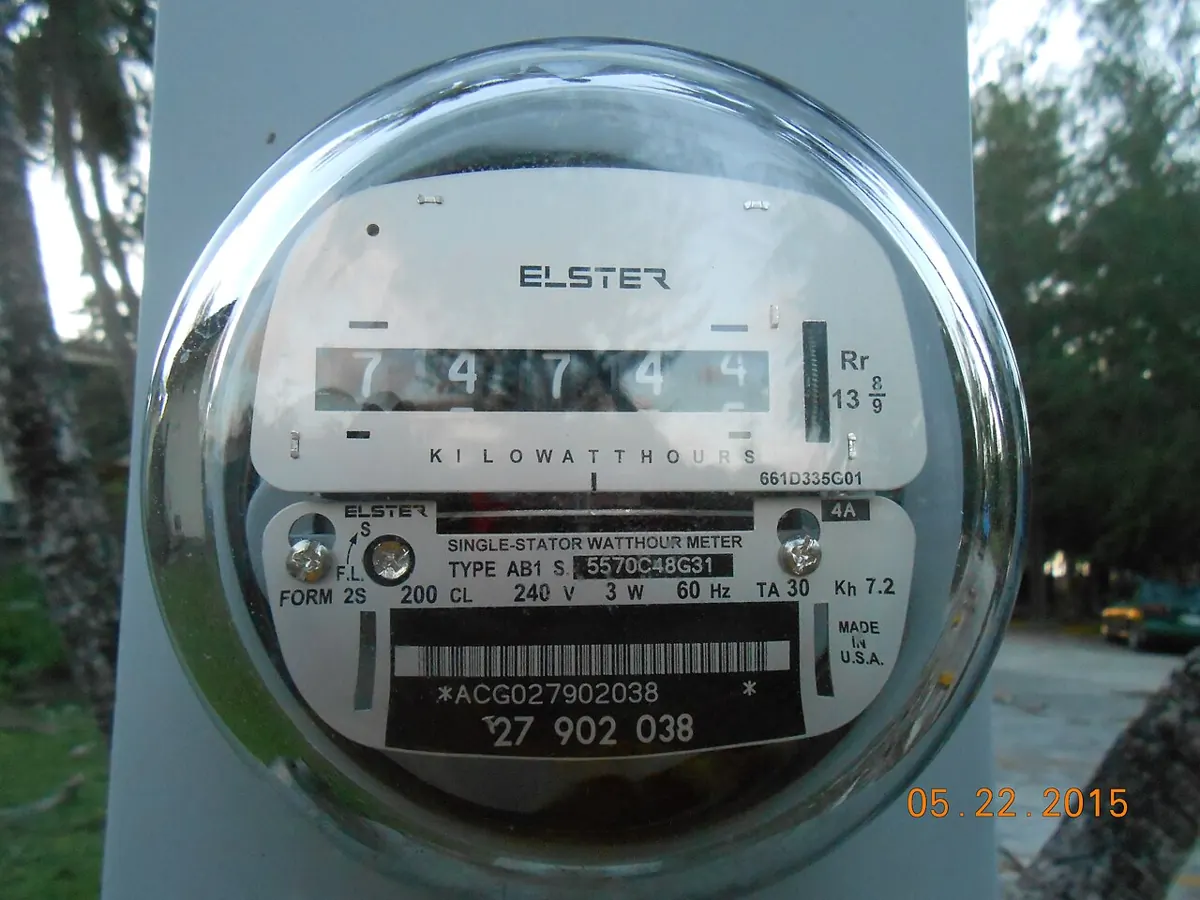

Create an account and meter map
List each utility account, meter, service address, resource, units and area served. Identify common-area loads separately from individually billed units. Confirm which meters are actual, estimated, replaced or shared with another facility. A bill at the same mailing address does not necessarily describe the same physical boundary.
Build a monthly record of billing dates, consumption, reading basis, charges, adjustments and source invoice. Preserve missing observations as missing. A zero inserted into a missing month can create a false reduction and a misleading recovery in the following period.
Compare equivalent periods and units
Calculate consumption per billing day when comparing unequal billing periods. Keep electricity in kWh, water in the stated volumetric unit, and demand charges separate from consumption charges. Record any conversion formula and do not combine incompatible resources into an unexplained total.
Useful comparisons include the same period in prior years and a rolling trend within the same boundary. Weather, occupancy, operating hours, construction use and equipment changes can affect the interpretation. Record those conditions before attributing a variance to poor operation.
Separate usage from price
Reconcile the total bill into usage charges, demand where applicable, fixed charges, taxes, adjustments and credits. An effective cost per consumption unit can help describe the total bill, but it is not necessarily the utility's tariff rate. Label it accordingly.
For a simple usage-charge comparison, hold the prior unit price constant to describe the usage effect and then apply the new unit price to the current usage to describe the price effect. Keep fixed and other charges separate. More complex tariffs need a tariff-specific analysis; a blended average can conceal demand or tier changes.
Investigate before proposing savings
Check reading corrections, billing errors, meter boundary changes and new operating loads first. Then ask the appropriate facilities specialist to review schedules, leaks, controls or equipment performance. The board can commission an investigation without making an unsupported technical diagnosis.
ENERGY STAR Portfolio Manager provides building benchmarking tools, but comparison metrics and score availability depend on the building and data. A local monthly variance worksheet does not produce a certified rating. Set a property baseline and verify a proposed improvement against operating conditions rather than promising a universal percentage saving.
Worked example: a longer billing month
Hypothetical example: consumption rises from 30,000 kWh over 30 days to 34,100 kWh over 31 days. Daily consumption rises from 1,000 to 1,100 kWh, a 10% change. The raw monthly increase is about 13.7%, so unequal billing length explains part of the difference.
This arithmetic example does not establish the cause. The reviewer still needs weather, occupancy, operating changes, reading status and tariff details before explaining the bill or selecting a corrective action.
Property Utility Consumption and Cost Variance Review checklist
A reusable control-definition worksheet. Add property-specific owners, dates, evidence links and status before using it as an action record.
Download the CSV checklist to assign an owner, add dates, and record the evidence for your property.
These rows define suggested controls, not completed property findings. Add a row ID, owner, due date, status and evidence link to your working copy. See the working-copy instructions and reuse terms.
12 checks shown
No check matches those filters. Try a different term or area.
| Review area | Check | Evidence to request | Decision question |
|---|---|---|---|
| Boundary | Map accounts to service areas | Account and meter inventory | What does each meter actually serve? |
| Boundary | Confirm resource and units | Utility invoice and meter record | Are consumption units consistent? |
| Period | Record reading and billing dates | Monthly invoice | Are comparison periods equivalent? |
| Period | Distinguish actual and estimated readings | Reading status | Could a correction explain the change? |
| Charges | Separate consumption and fixed charges | Charge breakdown | Which bill component changed? |
| Charges | Record tariff changes and credits | Tariff reference and adjustments | Did price change independently of usage? |
| Context | Record operating changes | Occupancy and service log | What changed within the measured boundary? |
| Context | Record weather comparison basis | Defined weather source | Is the seasonal comparison appropriate? |
| Investigation | Check meter and billing anomalies | Utility inquiry record | Is the observed variance reliable? |
| Investigation | Assign specialist follow-up | Inspection request | What evidence could establish the cause? |
| Verification | Define baseline and comparison method | Approved measurement plan | How will improvement be measured? |
| Verification | Review post-change results | Subsequent readings and conditions | Does the result survive a like-for-like comparison? |
Frequently asked questions
Does a larger utility bill mean consumption increased?
No. Rates, fixed charges, demand, taxes, credits and billing length can change the bill. Compare the underlying consumption and charge components.
Can different buildings be compared directly?
Confirm meter boundaries, floor area, use and operating conditions first. Choose an appropriate normalized metric and document exclusions before interpreting a ranking.
What evidence verifies an improvement?
Use a defined baseline, equivalent boundaries and periods, operating-condition notes and actual post-change readings. Separate the effect of tariff changes from consumption changes.
Primary references and scope
References checked October 3, 2026. Confirm the applicable source and any later changes before a property-specific decision. The guide provides coordination controls; professional conclusions remain with the appropriate qualified reviewer.